For a long time, design was defined by what it produced—objects, visuals, spaces. Today, that definition no longer holds.
Design has expanded into something broader and more powerful: a way of thinking that moves across disciplines, connects ideas and shapes how we solve complex problems. From digital platforms to physical environments, from services to systems, design is no longer confined to a single domain.
This shift is not just changing the industry. It’s redefining what it means to learn, practice and lead through design.
From aesthetics to systems thinking
Clara Llamas, an anthropologist and service designer whose career spans industries from banking to retail and healthcare, has seen this evolution firsthand.
“Design operates at a much higher altitude than simply logos or branding.”
What was once focused on outputs is now centered on understanding systems—how people interact, how services function and how experiences are shaped. Designers are increasingly working upstream, helping define problems before solving them.
Where learning meets the real world
As design becomes more contextual, so does the way it is learned.
Rather than working in isolation, students today are exposed to real challenges—collaborating with organizations, testing ideas and iterating based on feedback. The distinction between classroom and industry begins to dissolve.
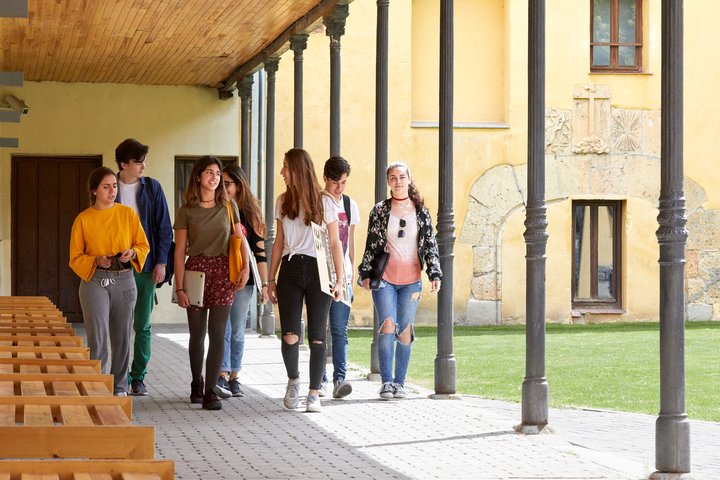
“When the classroom goes out into the world, the world comes into the classroom.”
This approach reflects a fundamental truth: design only makes sense when it engages with reality.
The rise of the transversal designer
The growing complexity of design has led to the emergence of a new kind of profile—the transversal designer.
These are individuals who move fluidly between disciplines, combining visual, spatial, digital and strategic thinking. They are not defined by a single specialty, but by their ability to connect perspectives and navigate complexity.
At the same time, depth remains essential. The challenge is no longer choosing between breadth and specialization, but learning how to integrate both.
New creative paths: specialization within a broader mindset
Within this evolving landscape, certain areas are gaining renewed relevance—not as isolated disciplines, but as interconnected fields within a wider design ecosystem.
- Graphic Design now extends beyond visual outputs into dynamic systems of communication across platforms
- Interior Design is increasingly centered on experience, behavior and the emotional impact of spaces
- Product Design sits at the intersection of physical and digital, driven by rapid prototyping and continuous iteration
These paths reflect how design is evolving: not into silos, but into overlapping territories where ideas, tools and approaches converge.
Designing beyond objects
Another key shift is the move from designing things to designing systems, services and experiences.
Today’s designers are expected to think in journeys, interactions and ecosystems—whether they are shaping a digital product, a retail experience or a public service.
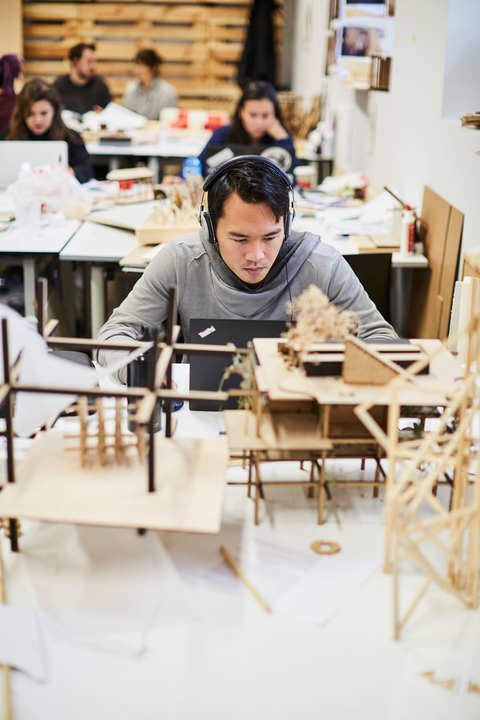
“We want to understand how things work through experimentation, exploring not just objects, but concepts, systems and services.”
This perspective expands the role of design from execution to impact.
A culture of continuous learning
If design is constantly evolving, the way we learn it must evolve too.
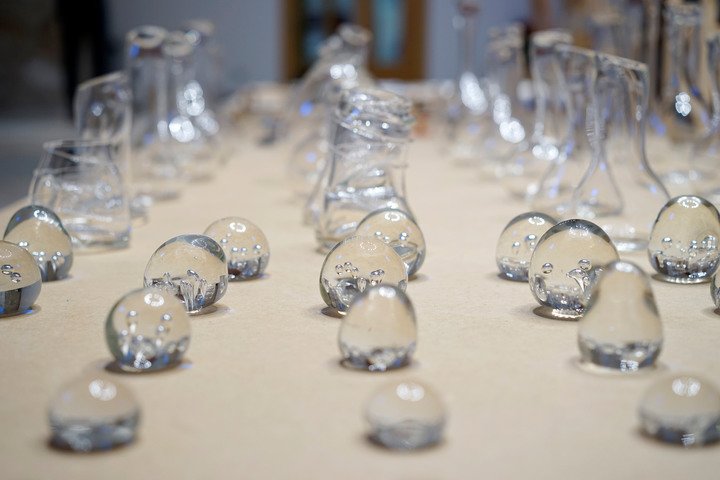
The most dynamic environments are those where knowledge flows freely—between disciplines, between industry and academia, and between people themselves.
“Being able to share knowledge spontaneously allows you to learn along the way.”
In this context, education becomes less about mastering fixed tools and more about developing a mindset: curiosity, adaptability and the ability to navigate uncertainty.
Designing what comes next
As industries blur and challenges grow more complex, design is becoming a central capability—not just for designers, but for anyone shaping the future.
It influences how products are built, how services are delivered and how experiences are imagined.
And ultimately, it shapes how we approach change itself.
Because design today is no longer just a discipline.
It’s a way of thinking—one without limits.
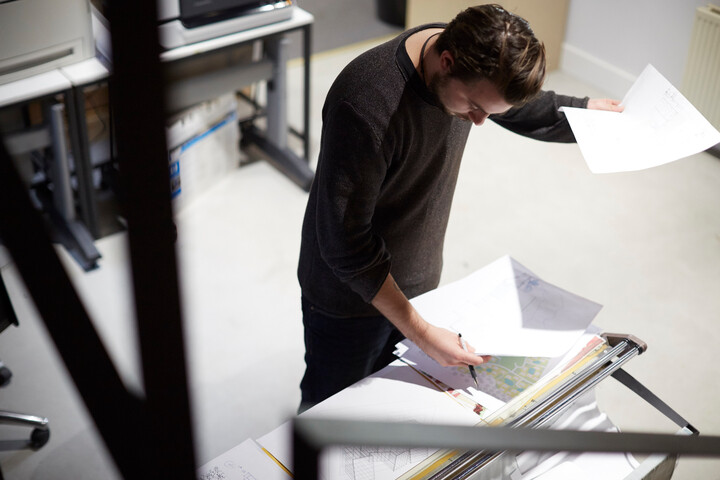
Explore how the next generation of designers is learning to think beyond boundaries with the Bachelor in Designat IE University.