While technology holds the key to our future, the humanities equip students to make a meaningful impact in the world.

As our world becomes increasingly tech-dependent, there’s no doubt that innovation and technical knowledge are essential for the careers of tomorrow. But these alone aren’t enough to make a real difference in the world. Empathy, compassion, creativity and critical analysis are the skills that turn ideas into real solutions.
Today, every sector must contend with the volatility that rapid technological advancements bring to the professional landscape. Graduates entering tomorrow’s workplace will need quantitative, analytical and digital competencies. However, they’ll also need the ability to think critically, communicate effectively and navigate diverse cultural contexts.
The Bachelor in Humanities: a path to real impact
That’s why the Bachelor in Humanities takes a holistic approach. So you’ll build a creative, ethical and globally-aware mindset, as well as a versatile skill set that bridges theory and practice. But how does this translate into meaningful career opportunities?
Our students share their experiences in summer internships to demonstrate the broad pathways this program opens up: from business to creative industries to sustainability, and beyond.
The Bachelor in Humanities is a customizable program that expertly combines traditional humanities disciplines with modern managerial tools and the latest technological developments.
Its highly practical, hands-on curriculum prepares students for real careers in real industries.
Let’s look at five ways that students in the Bachelor in Humanities build a future-focused skill set that opens up diverse professional pathways.
1: Apply critical and creative thinking across any industry
To enter any industry, you need field-specific knowledge and skills. However, this is only part of the picture. The most strategic leaders also need a profound understanding of the ideas and influences that have shaped our past, and therefore inform our future. This is what gives humanities students an edge over the competition in any industry.
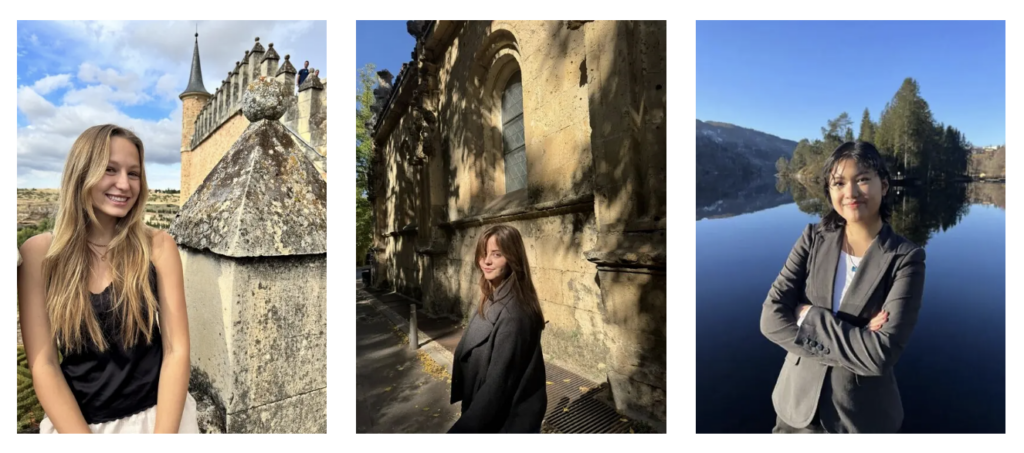
María Fernanda Ponce de León got to see this for herself during her summer internship at Bepensa, a Coca-Cola bottling company in Mexico. Immersed in a corporate environment, she needed to apply both analytical and cultural skills to real business challenges. This was where her skills in creative and critical thinking proved essential.
“When I saw the skills I’m learning applied in the real world, it made me super excited about what’s to come,” she said.
Maria’s story is an example of how the humanities help you see beyond the surface of a problem to offer innovative solutions. By studying the past and present through an interdisciplinary lens, students form strategic thinking tools for the future. So wherever you choose to take your career, you’ll be prepared to adapt and lead.
2: Gain versatility that opens doors everywhere
Employers increasingly value the ability to communicate, analyze and reason. These skills form the core of the Bachelor of Humanities. The program merges digital tools with highly sought-after soft skills to cultivate adaptability across diverse industries.
When student Pía Méndez de Vigo worked as a social media management and PR intern at Pepe Jeans in London, she experienced this firsthand. She was impressed by the Bachelor in Humanities’ interdisciplinary approach from the start. She was also aware that it would help her build an adaptable professional profile. Her internship proved this to be right.
“The Bachelor in Humanities is a well-rounded program; it explores very different fields, and I applied that versatility every day during my internship.”
From thinking on her feet to adapting to challenging situations, Pía learned that this interdisciplinary mindset is what makes her more agile and resourceful. Whether you’re interested in fashion, tech or finance, the Bachelor in Humanities prepares you to thrive in any environment.
3: Connect human values with global challenges
The world’s most pressing issues can’t be solved by data alone. They require people who can bridge technical knowledge with human understanding and inspire action through connection and empathy.
Maya Rose Menconi saw this in action. During her environmental education internship at Aspen Center for Environmental Studies, where she taught children about sustainability and conservation. For Maya, finding ways to inform young people about sustainability in a way that sparked genuine curiosity and engagement was extremely rewarding.
“The future of humanity really depends on sustainability, and how we collectively make that effort is through human connection.”
Maya’s experience highlights how solving complex problems requires both innovation and empathy. Whether you’re working in sustainability consulting, public health or international development, knowing how to connect with your audience is what brings real impact. The Bachelor in Humanities helps you develop a human-centered mindset to build solutions that truly resonate.
4: Become a powerful communicator in the digital age
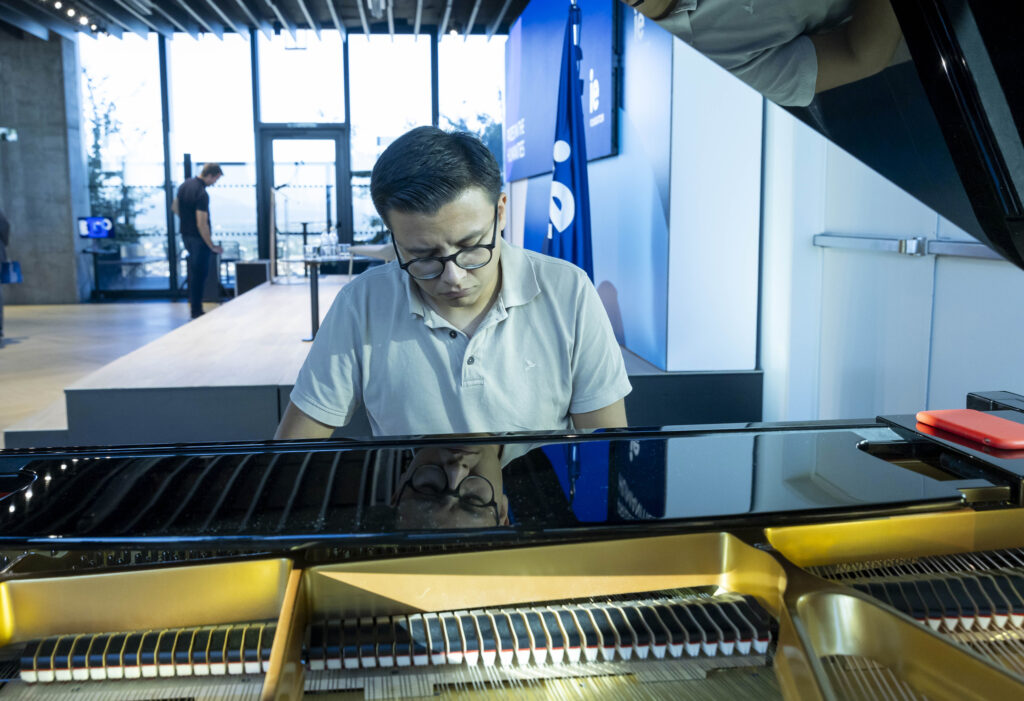
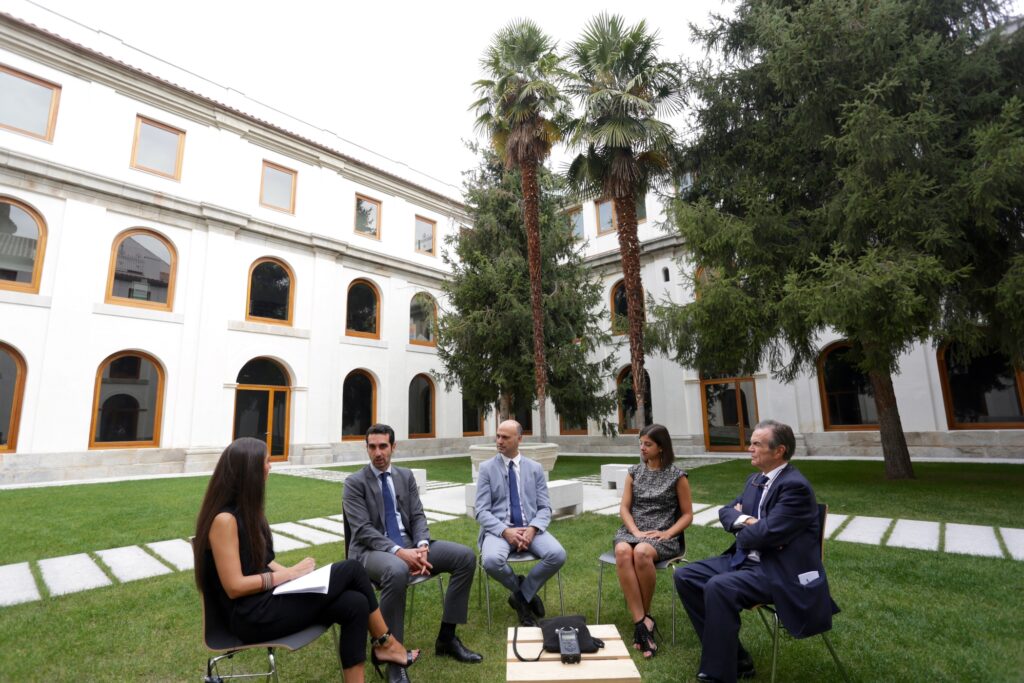
Exemplary communication skills not only help you stand out in the labor market, they’re also the key to successfully leveraging emerging tech. For example, generative AI, where patterns of expression really matter. Increased cultural awareness, combined with the critical exploration of literature and philosophy, will help you cultivate engaging communication skills to become a future changemaker.
Communication skills were crucial in all three internships. María Fernanda, Pía and Maya each discovered, in very different contexts, how these skills give them a competitive advantage in any field. The Bachelor in Humanities places communication at the center of your education, ensuring you graduate as a persuasive, articulate professional ready to lead in your chosen industry.
5: Build technical skills without losing your humanity

Emerging technologies like AI and machine learning pose ethical questions for humanity, and tech skills alone won’t be enough to solve them. For truly responsible leadership, professionals need to apply an ethical and human lens to understand the impact of the tech they’re engaging with.
That’s why, alongside comprehensive training in coding, natural language processing and 3D modeling, this program also examines the ethical and humanistic aspects of new technologies. The Bachelor in Humanities not only teaches efficient digital skills but also the ethical considerations of wielding those abilities and their effects on society.
The three students’ internships offered a glimpse of this reality. Rather than just demonstrating their ability to use the tools in their organizations, they were able to apply them thoughtfully and with consideration for their audiences and the context they were working in. That’s something employers in every industry will value.
Raising the bar in humanities education
We cannot solve all our problems through technology alone. In the search for a more equitable and inclusive world, we must also use the critical thinking and ethical oversight offered by the humanities. The experiences of these students show how the Bachelor in Humanities delivers real-world impact, giving students the skill set to shape any industry.
IE University’s holistic, world-renowned education will help you sharpen vital digital skills and cultivate cultural sensitivity and social awareness.
You’ll be ready to use your ideas, knowledge and talent to lay down a highly successful career path and have a positive impact on our world.
Learn more about the program here.