Do you find yourself feeling tired and struggling to focus? Even after a good night’s sleep? You might find you still need that shot of caffeine to get through your first class, even after getting your eight hours every night. The reality is that it’s about much more than sleep. Fortunately, there’s plenty you can do about it.
Energy levels depend on multiple factors
The right amount of good-quality sleep is important, of course. But what regulates your energy levels throughout the day is much more complex. Factors include from nutrition and stress to mitochondrial function and your own behaviors all playing their part.
These hidden pillars of energy, as IE University alum and certified nutritional therapist and behavior change specialist Noa Benzadon calls them, can help us decode the paradox between sleeping well and still lacking energy and motivation.
So let’s break down what’s going on by looking at some of the main elements dictating your energy levels. And how the student experience can create a feedback loop that saps your vitality and leaves you relying on short-term fixes.

Blood sugar regulation
Most of us know about this one. Rapid glucose spikes from sugary snacks and energy drinks, or long gaps between meals when your diary is full, can trigger rapid blood-sugar crashes, leaving you feeling lethargic and unfocused. Understandably, many students’ daily patterns feature irregular meals, rushed, carb-heavy breakfasts and caffeine on an empty stomach.
Cortisol rhythm
Cortisol is what’s released after a jump scare in a movie or during a stressful experience. It floods our blood with glucose as part of the “fight or flight” response. But it isn’t just a stress response. A 2025 study suggested that we actually rely on a cortisol pulse to wake us, with levels peaking before we wake, and not afterwards. That said, while you literally need it to stay alive, prolonged elevation of cortisol levels really isn’t good for you. It could potentially lead to obesity, insulin resistance, inflammatory bowel diseases and possibly long-term cognitive decline. So a healthy cortisol rhythm really matters.


Nutrient deficiency
Most of us want to eat healthily, but what does it mean? A real understanding of this abstract term can be hard to pin down if you’re not a nutritionist. For students living on a budget, eating convenience foods might actually mean missing out. On iron, B12, magnesium and Omega-3 fats, which are all essential for our energy, cognition and even our mood. Mild deficiencies in these can create a chronic sense of fatigue that sleep alone simply can’t fix.
Mitochondria and cell energy
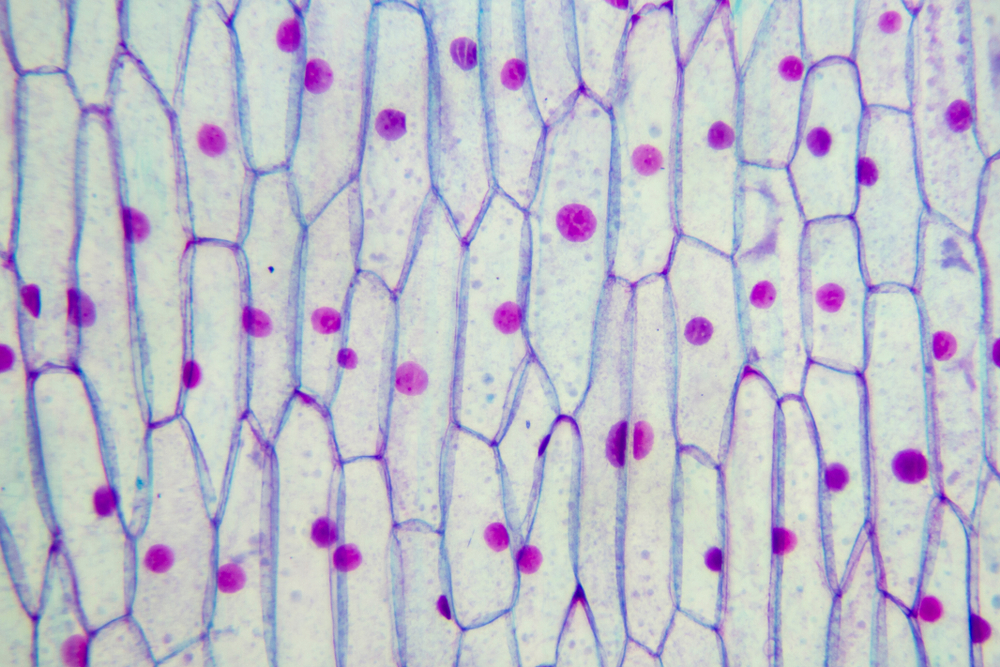
Your mitochondria play a critical role in energy levels by producing most of the body’s adenosine triphosphate (ATP), the molecule used to power nearly all cellular activities. When mitochondria are damaged by stress, poor nutrition, environmental toxins or even aging, they produce less ATP and leave you feeling tired, brain fogged and physically weak.

Lifestyle and stress
Academic pressure, your own perfectionism, constant connectedness and juggling multiple tasks simultaneously all combine to create mental exhaustion that’s quite separate from physical tiredness. Cognitive load and decision fatigue reduce your available mental energy. And digital overstimulation. like constant notifications or updating and tracking dozens of social feeds, keeps your brain in a constantly semi-stressed state, draining focus and motivation.
Meanwhile, full class schedules, project deadlines, social and extracurricular events and a high cognitive load, possibly mixed with part-time work on top of it all, place heavy energy demands on students.
Why we default to low-energy habits
As both a behavioral scientist and a former student, Noa knows all too well how easy it is to lapse into bad habits in an effort to manage energy levels. What behavioral science calls “present bias” means we tend to prioritize short-term rewards over future, longer-term rewards.
That caffeine hit provides a rush from the sugar and dopamine high, but it quickly fades. The vending machine offers a high-energy drink or chocolate bar that gives you the boost you need right now, but provokes a slump later. These aren’t personal failures. They’re predictable patterns that are shaped by stress, context and biology. And with the right tools and awareness, they can be changed.
Practical tips for higher energy

The real key to making changes that stick is tangible specificity. “This means saying, ‘I will only have a bowl of fruit at 7 p.m.’ rather than saying, ‘I will eat healthily every day,’ where healthy is a super-abstract word,” she explains.
But not everybody has access to such carefully targeted support. So here are some simple, high-impact strategies that are grounded in behavioral science and work with most students’ lifestyles:

- Go for P+F+F meals: Eat a mixture of protein, healthy fats and fiber. This stabilizes your blood sugar and reduces energy crashes.
- Morning light exposure: Getting five to ten minutes of sunlight every morning helps reset your cortisol rhythm and boosts alertness. Fortunately, Madrid and Segovia both receive over 2,700 hours of sunshine every year. So IE University students have plenty of opportunity to do so.
- Movement “snacks”: It’s easy to get engrossed in a project and spend hours sitting in front of the screen. Getting up and moving for just a few minutes every hour or so can be an effective strategy to improve your glycemic control.
- Front-loading challenges: If you can tackle complex tasks when your cortisol and focus are at peak naturally, from morning to midday, they’ll likely take less out of you.
- Screen shutdown buffer: Switching that laptop or smartphone off well before you go to bed helps restore your circadian rhythm.
- Shop for budget-friendly nutrient basics: Healthy eating can become a habit. It doesn’t have to be an expensive one either. Keep tinned fish, eggs, nuts, legumes and leafy greens as staples for when you’re eating at home.
- Micro-rest techniques: Box breathing, two-minute resets and short, mindful pauses don’t take too much time out of even the busiest schedules. Meta-analysis of multiple studies has shown that micro-breaks reduce fatigue and increase vigor.
- Daily energy check-in: Sometimes we exhaust ourselves without even realizing it. A quick self-scan of hunger, mood, stress and focus could alert you to your own need to recharge.
Re-energize your life
Maintaining energy is a skill that can be cultivated with the right tools and knowledge. We believe in helping our students understand the interplay between biology, behavior and environment.
That way, we empower them to move away from abstract ideas like “I’ll eat healthily and sleep better” and make practical, scientifically backed, sustainable changes.

Curious to learn more? You can gain a holistic understanding of human behavior, and the tools to make a difference, in the Bachelor in Behavior and Social Sciences program.