
Imagine it’s your first week at uni. You’re settling into a new room, figuring out where everything is, meeting new people and still trying to remember your way to the lecture hall. Or, you’re already knee-deep into the year, juggling a packed class schedule, a demanding internship or labs and a busy social life. All under the looming shadow of project deadlines, and with exam season around the corner.
These scenarios might seem different, but they represent transition points. And research shows that in times of change, it’s surprisingly hard to maintain the habits we care about or stay on top of your personal goals, let alone change already ingrained behaviors. That’s why you need systems: small, reliable routines that hold you steady when everything else becomes chaotic.
The psychology of tiny habits
Behind every health habit is a brain that prefers simplicity, shortcuts and predictable patterns. So the first step is overcoming long-held programming to choose another—better—path.
Sometimes, this means strengthening your willpower, but relying alone on it can trigger negative feelings when you inevitably fail to meet expectations.

However, creating tangible, evidence-backed frameworks gives you a reliable foundation to build upon. Adopting proven psychological strategies leads to setting tangible, specific and achievable goals that you can more easily turn into consistent daily habits.
Habit stacking: the easiest way to make new habits stick
One of the most powerful ways to build good habits is by linking those changes to something you already do. In behavioral science, this technique is called habit stacking, and it uses the formula: “After I (current habit), I will (new habit).”

Here are some easy examples of this method in action:
“After I wake up, I’ll do some meditation before getting out of bed.”
“After I open my laptop, I’ll read one page of notes before opening any apps.”
“After closing my textbook, I’ll write one sentence summarizing what I learned.”
“After I leave my last class, I’ll do a 10-minute room reset.”
This method works because your brain loves predictability. You already have dozens of routines built into your day, from brushing your teeth to collaborating with peers in class; why not use them to your advantage? Existing routines can be an anchor for new habits, triggering them automatically, even when you’re busy or running on near-empty.
System 1 vs System 2 thinking: the engine driving every new habit
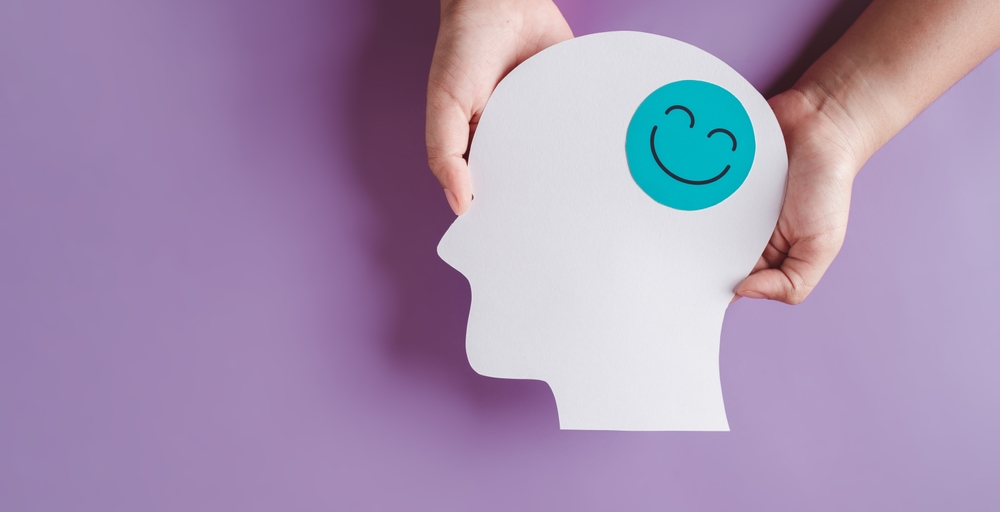
To understand why small, incremental habits are so effective, you need to understand the two “modes” your brain uses to get things done. Psychologists call them System 1 and System 2, and the difference between them is why some habits stick while others fall apart in stressful times.
System 1 handles quick, automatic actions in efficient, energy-saving ways. It’s always running in the background.
System 2 is slower and more deliberate. You’ll use this to solve problems, study new concepts, make decisions and communicate clearly.
Habits that rely on System 2 thinking, like working out where you are against your monthly budget or long study sessions, are hard to keep up with when your energy drops. But tiny, measurable habits fall more under System 1 thinking, which means your brain can perform them with minimal effort. So, once a behavior becomes an automatic part of your routine, it’s easy to stick with it, even during your hardest or busiest weeks.
Make it obvious, easy and attractive
Most habits don’t fail because they’re bad ideas, but because they’re badly designed. If you want a habit to survive real student life—early lectures, late-night study sessions, social activities and energy dips—you need to ensure it works with your brain, not against it.
That’s where the best routines follow the “obvious–easy–attractive” rule:
Make it obvious: Give your brain a clear cue.
Set out your textbooks the night before. Keep a water bottle on your desk. Put your running shoes where you’ll see them. When the cue is visible, the habit becomes hard to ignore.
Make it easy: Shrink the habit until it feels almost too simple.
Set aside five minutes specifically for revision, one page of reading or a short stretch session. When a habit is easy to begin, you cut out the resistance that usually stops you from following through.
Make it attractive: Pair the habit with something you enjoy.
Listen to your favorite playlist while cleaning your room, or a beautiful instrumental piece while you study: music that you don’t have to focus on but which sets a pleasant mood. Use a cosy study spot for complex tasks. Make your notes aesthetically pleasing if that motivates you. When a habit feels rewarding, your brain is far more likely to repeat it.

These three steps transform habits from something you “should do” into something your brain naturally wants to accomplish every day.
How to start routines when busy or tired
According to Noa Benzadon of Noatrition, behavioral scientist and nutritional therapist, the key to setting and maintaining healthy habits is to keep your goals clear and measurable.

“The idea is to make the behavior very tangible. So, rather than just saying, ‘I will start eating healthy,” [the question should be] ‘How can I take ownership and make it very specific?’”
Noa shared these insights in a recent workshop in collaboration with our Bachelor in Behavior and Social Sciences. As an alum of IE University, she’s uniquely positioned to understand the challenges our students face daily—and to help them overcome them.
So, say you want to start eating healthier. The goal is to move beyond abstract goals like “I will plan healthier meals” to clear, tangible actions like avoiding eating out, researching affordable, low-calorie menus, bulk shopping and meal prepping to ensure you can easily stick with your diet, even on the busiest weeks.
Small steps, strong systems
The secret to thriving in the maelstrom of uni life isn’t simply down to more willpower, but better systems. It’s about doing what matters in a way your brain can actually sustain.

Whether you’re entering a new semester, powering through exams, or just trying to bring more structure into your day, small habits and embedded routines are your anchor. Start small, stay consistent and let the results stack up. Your future self will thank you.