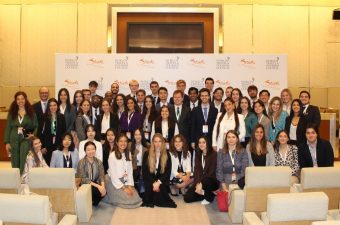
At IE University, innovation happens in action. The latest Sustainability Datathon in the School of Science and Technology put this philosophy into practice, challenging students to explore sustainable aviation through data-driven solutions.
Partnering with the International Air Transport Association (IATA), students accessed real-world datasets and industry challenges. The goal was clear: show how analytics, predictive modeling, and creative thinking can drive meaningful change in aviation, an industry at the center of global connectivity and sustainability efforts.
According to Rafael Schvartzman, IATA’s Regional VP for Europe, student innovation plays a critical role in shaping the future of aviation and supporting the sector’s journey to net-zero emissions.
Why student innovation matters in aviation
“Students see problems differently,” Schvartzman notes. “They are not limited by routine thinking. Their fresh perspectives challenge assumptions and spark new ideas.”
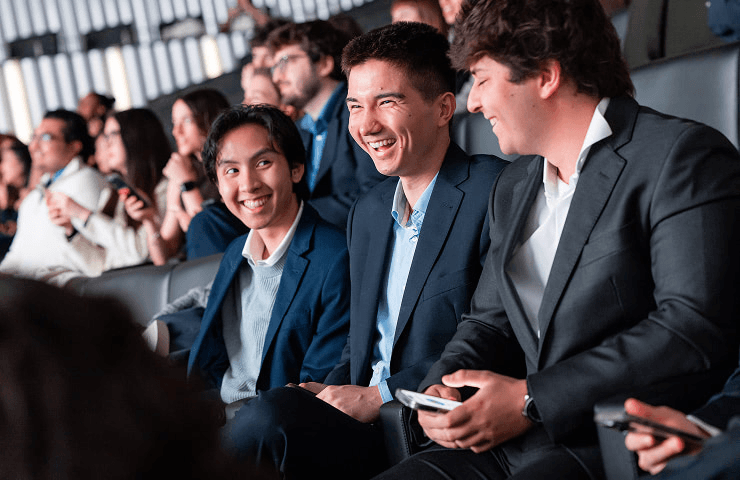
The Datathon created a two-way learning experience. Students analyzed real datasets, developed models, and proposed solutions that even industry experts had not considered. This is the kind of student-driven innovation that can transform industries.
Fresh ideas from the Datathon
Participants went beyond technical analysis. They explored alternative ways to measure CO₂ emissions, modeled the impact of Sustainable Aviation Fuels (SAF), and created visual tools to communicate complex environmental data.
Schvartzman highlights that many teams also considered society—passengers, regulators, and companies—when building solutions. “Sustainability is not just technical; it requires a social perspective,” he says.
The urgency of sustainability in aviation
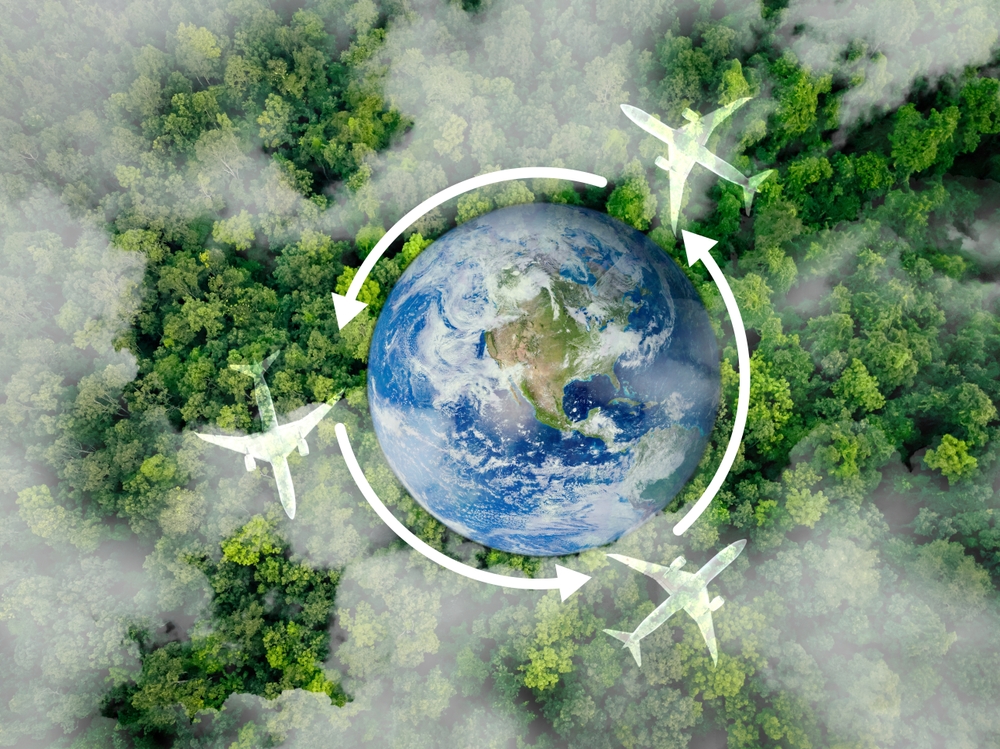
Aviation accounts for around 2.5 percent of global CO₂ emissions, but its influence extends far beyond numbers. Air transport drives trade, tourism, education, and global economic growth while supporting the UN Sustainable Development Goals.
To maintain these benefits responsibly, IATA and its member airlines aim for net-zero emissions by 2050. Achieving this requires reducing carbon, managing noise and waste, and addressing environmental challenges such as biodiversity loss.
Data-driven solutions shaping the industry
Aviation generates massive amounts of data every day. Airlines and IATA analyze everything from fuel use and flight paths to maintenance schedules and passenger behavior.
“Digital transformation in aviation is accelerating fast,” Schvartzman explains. “We are already using data to optimize operations, and technologies like AI and robotics are just starting to unlock their full potential.”
Predictive modeling allows airlines to anticipate fuel supply trends, simulate policy impacts, and optimize ground operations. These data-driven solutions are shifting aviation from reactive responses to proactive strategies.
Sustainable aviation fuel: the key to net-zero

SAF is expected to deliver about 65 percent of the CO₂ reductions needed to reach net-zero targets. Challenges remain, including inconsistent standards and regional regulations, which slow adoption and investment.
Datathon participants experimented with new ways to visualize lifecycle emissions and communicate trade-offs. These creative approaches help the industry build transparency, trust, and innovation.
How student collaboration accelerates innovation
Schvartzman emphasizes the value of partnerships between students and industry:
“When students work with real-world data, they see both the complexity and the opportunity. When we in the industry listen, we often discover solutions we would not have considered.”
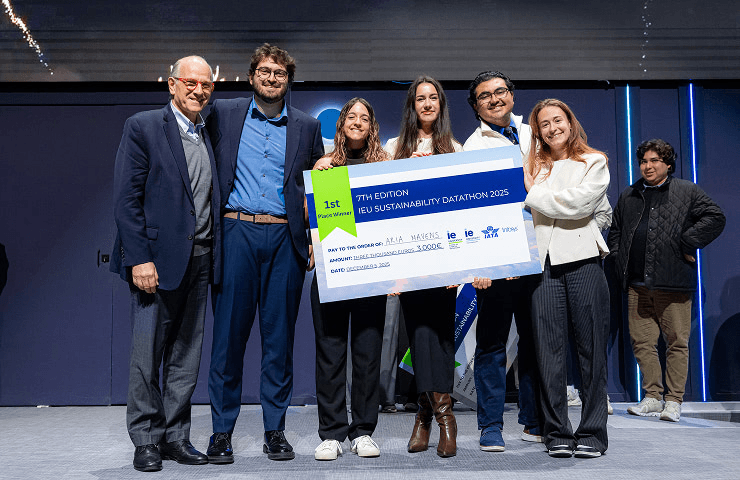
For undergraduates interested in technology, mobility, or data analytics, aviation offers an exciting arena. Students can work with real challenges, drive sustainable innovation, and contribute to a global sector transforming for the future. Check out program options in the IE School of Science & Technology here.
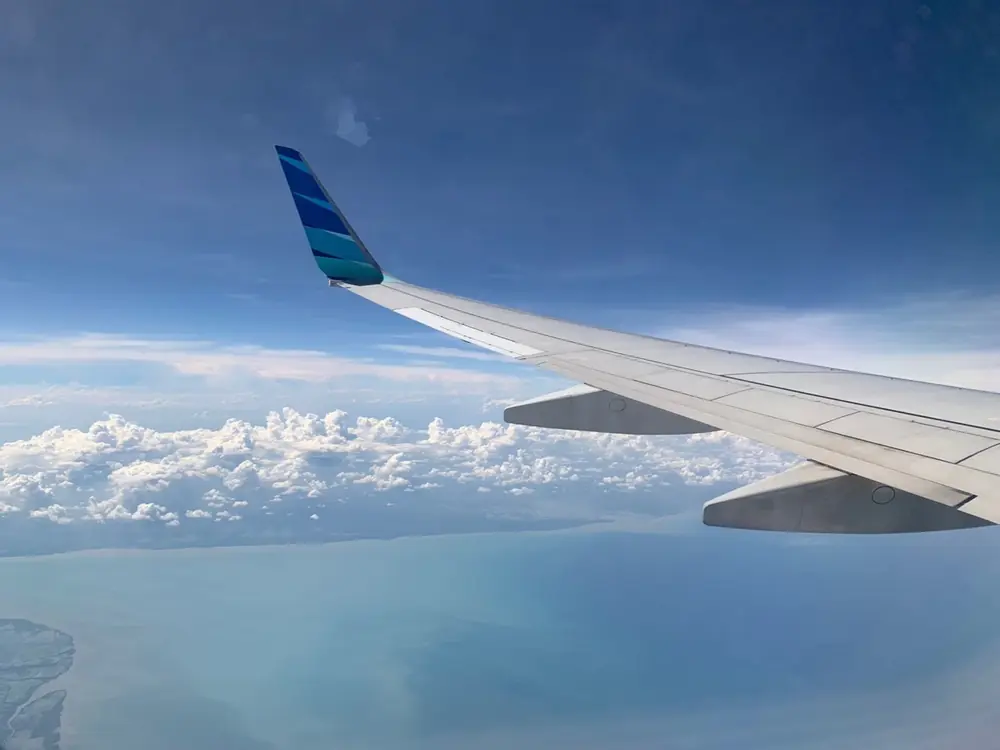
As Schvartzman reflects, quoting John H. Secondari on Leonardo da Vinci: “Once you have tasted flight, you will forever walk the earth with your eyes turned skyward.” For aspiring innovators, there has never been a better time to look up and imagine the possibilities.
Curios to learn more about the sustainable initiatives at IE School of Science & Technology? Find out more here.