This approach is called the history of capitalism, and it’s changing the way we learn about how the world works.

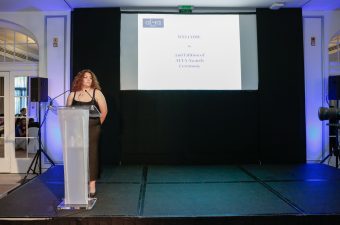
IE University School of Humanities recently welcomed Alexia Yates, chair in European history at the European University Institute, as part of our Visiting Scholars Program. This initiative connects IE University students with thought leaders from around the world. And Yates’ visit gave participants a chance to explore this fresh way of looking at capitalism.
A new way to study capitalism
The discussion on capitalism often focuses on topics like the Industrial Revolution, technological innovations or famous entrepreneurs. The history of capitalism flips that idea on its head. Instead of just studying economic milestones, it looks at capitalism as a social and cultural system. More specifically, it views it as a system that affects society at every level and is shaped by ordinary people.
The history of capitalism as a field of study emerged in the early 2000s and has since grown, attracting scholars at a number of prestigious universities. Why? Because it answers big questions that we care about today: Who benefits from this system? Who doesn’t? And how did we get here?
Capitalism is often thought of and presented as a system of trade and production. Approaching it through a humanities-centered lens helps us reframe it as a complex social and cultural formation that both shapes and is shaped by society at every level.
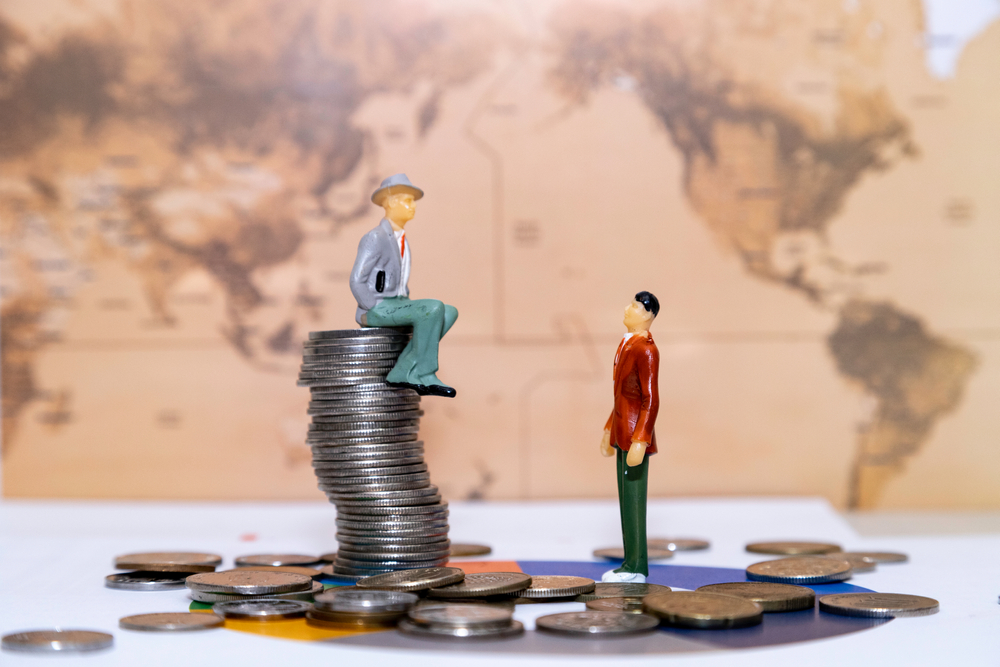
By exploring topics that don’t usually appear in classic economic history, including colonial labor systems like slavery, researchers can uncover how inequality and power have always been part of the story.
As Yates explains, this helps students challenge conventional narratives and question traditional ideas and systems. As economies integrate with digital culture, geopolitics and social expectations, understanding capitalism as a lived system rather than just an economic one is essential.
Why gender matters
One of Yates’s most powerful points was about gender.
“The history of capitalism is primarily concerned with inequality and power. Gender is a relationship of inequality and power. You can’t write about the history of capitalism without gender,” she said.

Think about the everyday or unpaid work typically performed by women. This can range from maintaining households to sewing clothes and caring for sick people. For centuries, and up until today, much of this labor kept families and societies running. But it wasn’t, and isn’t, counted as part of the capitalist system. This hidden labor allowed capitalism to function while shifting costs onto families, rather than employers.
Seeing gender as a key tool of capitalism helps us understand how commodification works. This concept, one of capitalism’s essential processes, turns things that were once free, intangible or gifted into products or services for sale.
Gender’s role in capitalism also shows how it, and all economic systems, rely on both markets and social structures that determine who does what work and who gets credit for it. This is increasingly relevant as debates about AI automation and remote work raise new questions about how we define valuable labor. Recognizing the ways in which capitalism has historically made certain work invisible can help us make better decisions for the future of work.
Moving beyond Europe
Another key part of this approach involves integrating global perspectives. For a long time, economic history centered on Europe. But capitalism didn’t grow in or from just one place.
When scholars look at areas around the world, from East Asian factories to Caribbean plantations, they see a more complete story. And this story is filled with different cultural practices, power structures and forms of resistance.
Taking a global view shows us something important: that capitalism isn’t one-size-fits-all. It evolves in different ways depending on the culture, politics and history of where it’s being used. In today’s interconnected world, understanding these differences is essential for anyone who wants to make smart and informed decisions.
What history can and can’t teach us
Even though the history of capitalism deals with the past, Yates makes one thing clear: It’s not a guidebook for the present.
“I don’t look at the past as a site of lessons for today, or as a set of experiences from which we can directly transfer knowledge to the present,” she said.
In other words, the real value isn’t in finding direct parallels to help us handle present-day problems, but in thinking historically. Analyzing evidence, questioning assumptions and seeing the bigger picture are all actions that help leaders develop critical-thinking skills and make sense of fast-changing economic realities.
“It’s not about finding similarities or differences in the past. It’s not about finding origins. The work of building arguments within historical research is what helps people navigate the uncertainty of today’s economic world,” Yates explained.

This is why IE University’s humanities-driven approach emphasizes interpretation and critical analysis. These are skills that help students navigate complex global landscapes with confidence.
Looking forward
The history of capitalism reminds us that economic systems don’t exist in a vacuum. They’re shaped by real people, relationships and power dynamics that influence the structures we rely on every day. By engaging with Yates’s insights, students at IE University learn to question these systems critically, recognize their influence and develop the analytical skills necessary for leadership in a complex world. These are skills that extend far beyond the classroom.

Through conversations like the one led by Alexia Yates, IE University reinforces its commitment to teaching humanities in ways that are relevant for the world students are stepping into. If you’re interested in exploring these intersections between historical insight and contemporary challenges, IE School of Humanities offers programs and initiatives like the Visiting Scholars Program designed to help students understand today’s global systems and redefine what they become.