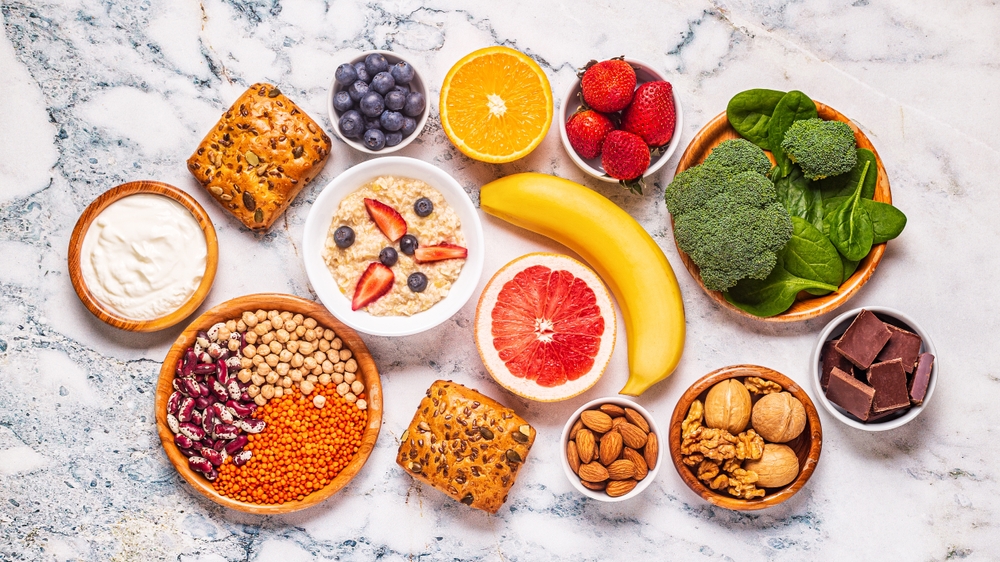
Balancing student life can be difficult, and when things get busy, diet is often one of the first things to suffer. Home-cooked meals get replaced with takeout, or meals are even skipped altogether. On top of that, how do you know what you should be eating? The amount of information out there can be both overwhelming and contradictory.
When used in the right ways, food can be a form of everyday medicine, improving your mood, sharpening focus and motivation, and supporting high-quality, restorative sleep. All of these play a huge role in your mental health and well-being. We really are what we eat, and even small changes to your diet can create noticeable improvements in how you feel every day.
Food becomes feeling
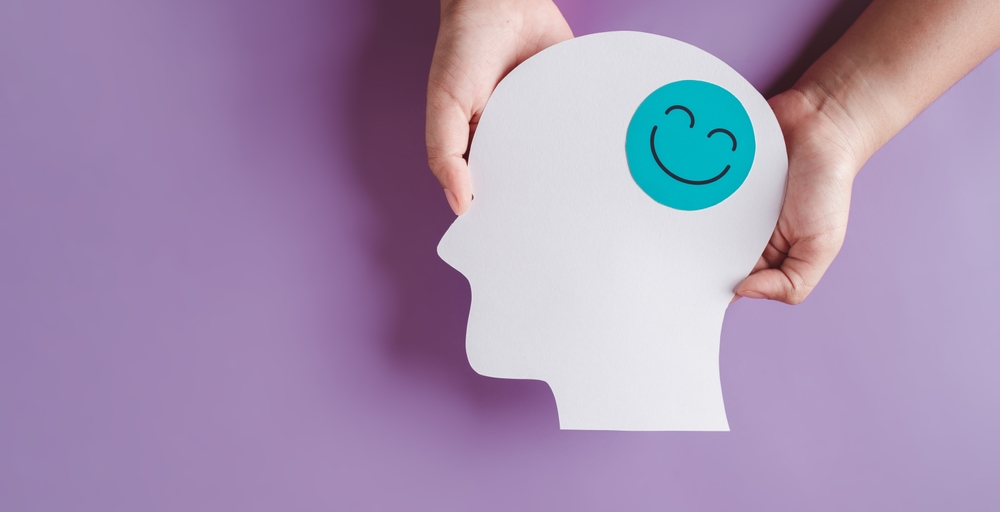
When you eat, the microbes in your gut send signals to your brain that influence your mood, your stress response and how well you think. This “gut-brain connection” means that how you fuel your body has a direct effect on your mental state.
Neurotransmitters and hormones
A few key chemicals help your body and brain communicate:
- Cortisol: Your body’s main stress hormone. It rises when you’re stressed, don’t get enough sleep or skip meals.
- Serotonin: Helps regulate mood, appetite, calmness and sleep. Around 90% of it is produced in the gut.
- GABA: Helps reduce anxiety and calm your mind.
- Dopamine: Fuels motivation, focus and pleasure.
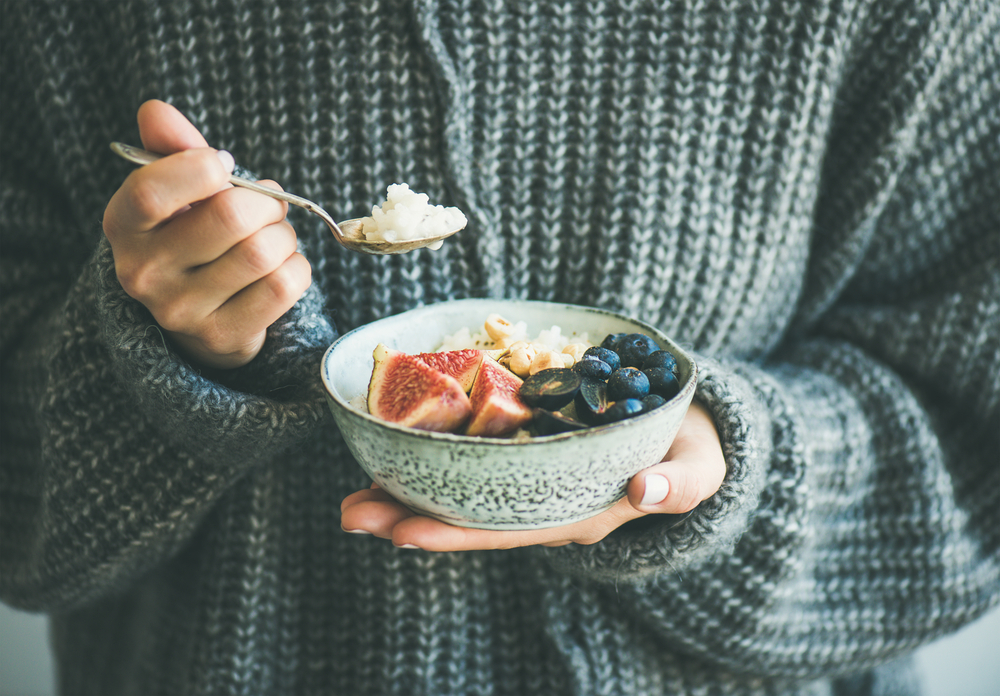
Macronutrients
To produce these chemicals, your body needs the right building blocks:

- Protein provides the amino acids your brain needs to create neurotransmitters. For example, tryptophan supports the production of serotonin and melatonin, which are essential for mood balance and good sleep.
- Complex carbohydrates help transport tryptophan into the brain, which naturally boosts serotonin levels. They also digest slowly, giving you steady, long-lasting energy.
- Healthy fats support brain structure and help reduce inflammation, which improves focus, mood regulation and overall well-being.
- Fiber, although not technically a macronutrient, is essential for digestion and stable blood sugar, both of which affect how you feel.
Micronutrients like magnesium, iron, zinc and vitamin D also help to regulate mood, reduce fatigue and support healthy brain function.
Balance is key. Your body needs all the right nutrients in order to function properly, and understanding how they work can help you intentionally give it the fuel required to manage stress and stay mentally sharp.
Guides for anxiety, focus, motivation and sleep
Below are some student-friendly guides with key nutrients that help support you in your day-to-day life.
Reducing anxiety

| WHAT TO EAT | Fermented foods, like kefir, sauerkraut and kombucha Nuts, seeds, leafy greens Green tea Complex carbs, such as oats and quinoa Fatty fish Seafood |
| TRY TO AVOID | Skipping meals, excess amounts of coffee (especially on an empty stomach), big hits of sugar |
| TIPS | Aim for balanced meals containing protein, fiber and healthy fats to help prevent cortisol spikes. |
Improving focus and energy

| WHAT TO EAT | Complex carbs, such as lentils, chickpeas and sweet potato Fatty fish and walnuts Eggs, tofu, chicken, turkey Healthy fats, like avocado and chia seeds Berries 70%+ dark chocolate |
| TRY TO AVOID | Energy drinks, ultra-processed snacks or sugary baked goods before studying |
| TIPS | Have a mix of protein and complex carbs an hour or so before class or a study session. |
Maintaining motivation

| WHAT TO EAT | Berries Iron-rich foods, like lentils and spinach Whole grains Eggs Healthy fats, including avocado and nuts |
| TRY TO AVOID | High-sugar breakfasts (they lead to mid-morning sugar crashes), caffeine in the afternoon |
| TIPS | Try to make sure you’re getting your water intake throughout the day. Motivation drops quickly when you’re dehydrated. |
Getting better sleep

| WHAT TO EAT | Kiwis Warm milk, turkey, eggs Chamomile tea Almonds, pumpkin seeds |
| TRY TO AVOID | Heavy meals right before bed (aim to finish your last big meal 2-3 hours before), caffeine in the afternoon |
| TIPS | If you need a snack before bed, choose something rich in tryptophan, such as a banana with almond butter. |
Putting it into action
The next step is figuring out how to implement change. Set realistic goals, as new habits form much more easily when they’re small and actionable.
- Take a personalized approach. Think about changes that genuinely fit your schedule and lifestyle.
- Use this simple formula when you’re preparing meals:
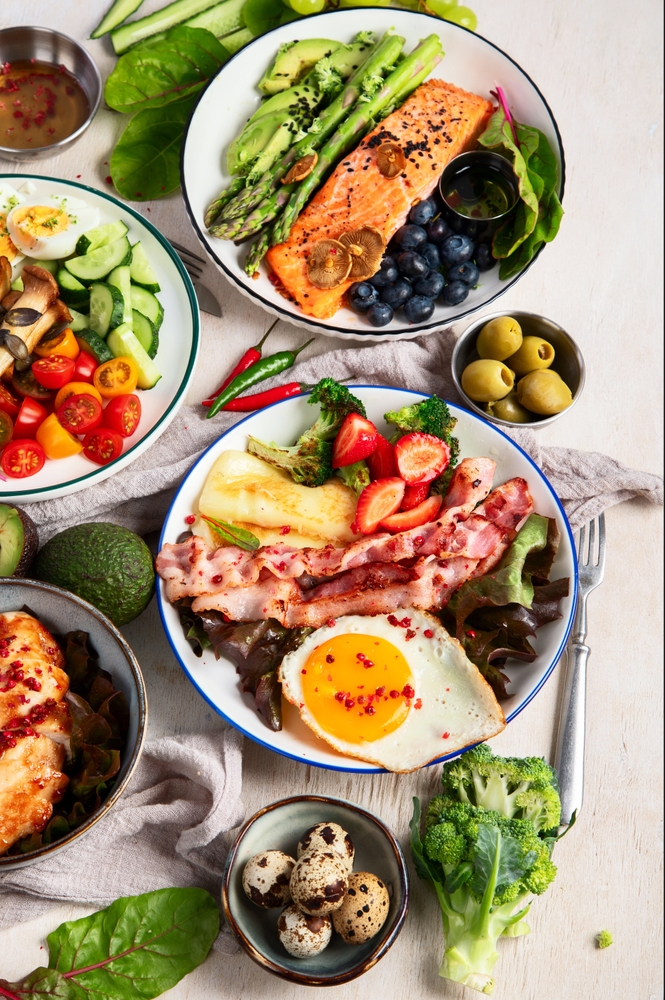
Protein + healthy fats + complex carbs (and some fiber) = a balanced plate.
- Don’t buy foods that you know are bad for you. Stock your room or apartment with healthier snacks instead.
- Set one small intention for the week and notice how it makes you feel. For example, “This week, I’m going to swap my sugary afternoon snack for some nuts.” When you see positive effects, you’re more likely to maintain the habit.
- Pair a new habit with an existing one. For example, if you always have a morning coffee, try pairing it with a healthy snack.
Over time, these small, intentional changes become a part of your daily routine.
Small steps that work for you
Small changes add up. When you understand why certain foods affect your mood, focus and energy, you have the opportunity to make informed choices that genuinely support your well-being and build healthy habits that stick. You don’t need perfection; just try different things out and see what works for you.
That emphasis on personalized, practical learning runs through many programs at IE University. Bachelor in Behavior & Social Sciences alumni Noa Benzadon of Noatrition recently put that philosophy into action in a workshop designed to help her peers take ownership of their nutrition with simple, tailored plans. As both a behavioral scientist and a nutritional therapist, she encourages students to get specific about what they want to change. “Rather than just saying, ‘Actually, I will start eating healthy’, how can I take ownership and make it very specific?” she notes.

This approach reflects what the Bachelor in Behavior & Social Sciences is all about: understanding human behavior so you can create meaningful, long-lasting change in your own life. Start small, experiment and remember that food is one of your most powerful tools for health and well-being.